
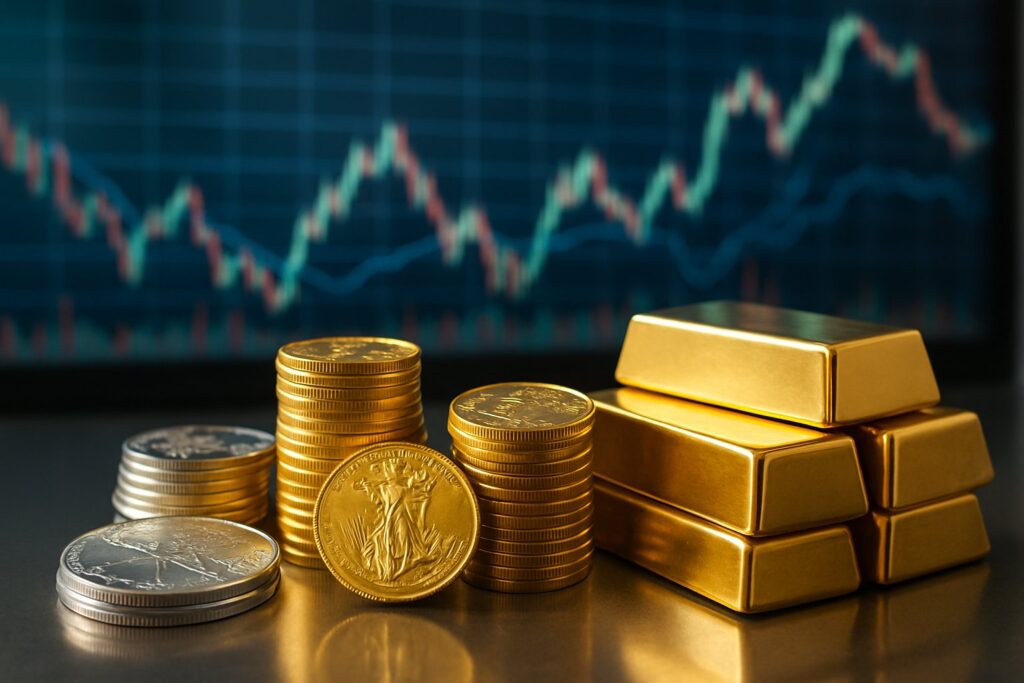
Investors seeking to diversify their portfolios often turn to Gold ETFs and Silver ETFs as a reliable way to gain exposure to precious metals without physically holding them. These investment vehicles have gained popularity over the past decade due to their liquidity, transparency, and ease of trading on stock exchanges. Unlike traditional methods of buying physical gold or silver, these ETFs offer convenience and lower costs, making them suitable for both new and seasoned investors.
Understanding Gold ETFs
Gold ETFs constitute ownership in gold assets and track the market price of gold. They are traded on stock exchanges like regular stocks, permitting traders to shop for and sell devices during the buying and selling day. Investing in gold can act as a hedge towards inflation and currency fluctuations. One main gain is that buyers do not need to fear about garage, coverage, or purity verification, which are not common issues when purchasing bodily gold. Additionally, gold often plays properly at some stage in economic uncertainty, supplying a secure haven for capital maintenance.
The Appeal of Silver ETFs
Silver ETFs, alternatively, provide exposure to the silver market, which behaves in another way in comparison to gold. Silver is extensively utilised in industrial applications, from electronics to solar panels, which may influence its rate dynamics. Silver ETFs permit investors to benefit fromthe ability rate appreciation without dealing with physical bullion. They are appropriate for those looking for diversification in their portfolio whilst preserving liquidity. Silver has a tendency to have higher volatility than gold, presenting possibilities for short-term profits for threat-tolerant buyers.
Comparing Gold and Silver Investment Strategies
While both gold and silver offer a hedge against economic uncertainties, their investment strategies fluctuate. Gold is usually taken into consideration a wealth-maintaining asset, regularly sought throughout recessions or geopolitical tensions. Silver, with its twin function as an industrial metal and valuable metal, may additionally see rate spikes because of demand in manufacturing sectors. Investors regularly choose a mix of both metals to balance and increase capability in their portfolios. Monitoring market tendencies, worldwide economic signs, and deliver-call for dynamics is essential for timing access and ex
Benefits of Investing in Precious Metal ETFs
ETFs for valuable metals offer several benefits beyond convenience. They provide immediate liquidity because gadgets may be traded like stocks. Transaction prices are normally lower than those for physical metals. Additionally, ETFs preserve regulatory oversight, giving buyers self belief of their holdings. For long-term buyers, these ETFs can supplement conventional equity and bond investments, presenting hazard diversification. Both gold and silver have historically maintained price, even during intervals of market volatility, making them suitable for a protective funding method.
Risks to Consider
While valuable metal ETFs are typically more secure than preserving bodily property, they’re no longer risk-free. Prices range based on global financial elements, hobby prices, and investor sentiment. Silver’s industrial demand makes it more liable to cyclical swings. Investors must additionally keep in mind expense ratios and the tax impact of taxation on returns. A balanced technique, aligning investments with personal financial dreams, threat tolerance, and investment horizon, can mitigate those dangers effectively.
Conclusion
Investing in Gold and Silver gives a practical direction for diversifying wealth at the same time as staying linked to the precious metals market. With careful planning and market recognition, these funding alternatives can play a critical role in constructing a resilient portfolio. Their ease of admission to, liquidity, and capacity for capital protection make them appealing alternatives for conservative and income-focused buyers. Understanding the precise traits of each metal allows investors to make informed selections and seize opportunities as marketplace conditions evolve.