

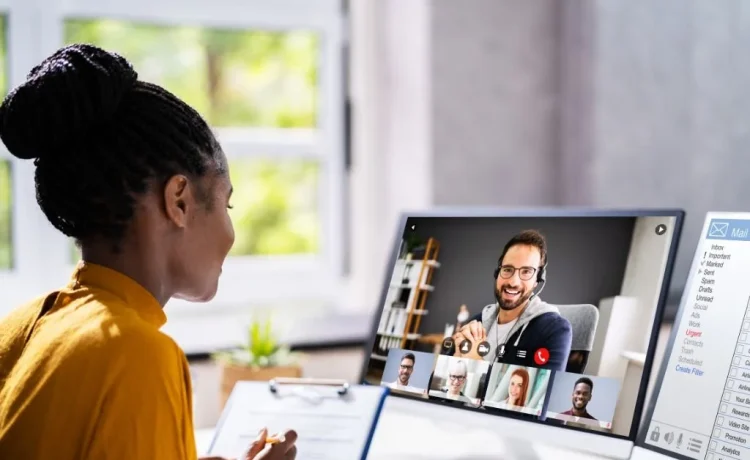
The shift toward distributed work has redefined corporate operational models. What began as a temporary measure has matured into a permanent operating standard for thousands of organizations worldwide. Managing a team spread across time zones, home offices, and cultural backgrounds requires more than migrating in-person habits to video calls. It demands an intentional leadership framework rooted in clear communication, trust, structured workflows, and measurable results.
The Evolution of the Distributed Workplace
Traditional office environments relied heavily on physical presence as a proxy for productivity. Managers could gauge engagement through visual observation, quick desk check-ins, and impromptu hallway conversations. In a digital environment, those physical cues disappear.
Leading a remote team requires replacing presence-based management with deliberate management. Leaders must establish clear expectations from the start, as ambiguities in project scope or timelines compound quickly across distance. Successful distributed teams do not try to replicate the physical office online; they build flexible operating models designed specifically for autonomy, clarity, and cross-functional transparency.
Establishing Structured Communication Protocols
Communication breakdowns represent one of the most common points of failure in remote organizations. Without clear guidelines, employees experience notification fatigue, fragmented documentation, and mismatched priorities.
To build an efficient communication ecosystem, organizations must distinguish clearly between synchronous and asynchronous channels:
-
Synchronous Channels: Real-time communication formats such as video meetings, phone calls, and direct messaging are reserved for urgent issues, collaborative brainstorming sessions, complex feedback, and one-on-one personal check-ins.
-
Asynchronous Channels: Documentation systems, project boards, and recorded video walkthroughs serve as the default mode for status updates, review requests, and general announcements. This allows contributors to work in focused blocks without constant disruption.
Establishing response-time expectations removes the anxiety of immediate replies. When team members understand that an email or project ticket does not require an instant reaction, they can dedicate uninterrupted time to deep work.
Choosing and Streamlining the Digital Tool Stack
Remote operations rely entirely on software infrastructure. However, adding too many disconnected platforms often creates confusion and duplicate effort. A lean, integrated tool stack provides visibility without excessive administrative overhead.
Key functional layers for remote teams include:
-
Centralized Project Management: Platforms such as Jira, Asana, or Monday allow teams to track deliverables, assign responsibilities, and visualize roadmaps without requiring daily status meetings.
-
Knowledge Management and Documentation: Central repositories like Notion or Confluence ensure that standard operating procedures, project briefs, and technical documentation remain easily accessible to every team member.
-
Conversational Workspaces: Tools like Slack or Microsoft Teams facilitate team discussions, organized by specific channels dedicated to projects, departments, and informal social interactions.
-
Visual Collaboration Tools: Digital whiteboards such as Miro or FigJam help teams run remote workshops, map user journeys, and conduct architectural planning sessions collaboratively.
Standardizing how these tools are used across the organization prevents siloed information and ensures that project context remains visible to all relevant stakeholders.
Measuring Performance Through Outcomes Rather Than Inputs
A common misstep in remote management is attempting to monitor employee activity through digital surveillance software, keystroke loggers, or constant availability indicators. These practices damage psychological safety, erode trust, and incentivize performative activity over genuine contribution.
Modern remote management focuses on outcomes:
-
Defined Deliverables: Clear project milestones, quality benchmarks, and delivery deadlines replace tracked hours as the primary criteria for evaluation.
-
Objectives and Key Results (OKRs): Setting transparent, measurable goals at the quarterly and annual levels helps individual contributors align daily tasks with overarching organizational priorities.
-
Regular Feedback Cadences: Weekly or bi-weekly one-on-one meetings provide dedicated time to discuss progress, remove operational roadblocks, and discuss long-term professional development.
When employees have full clarity on expectations and are evaluated purely on results, they take greater ownership of their work and manage their time more effectively.
Building Team Cohesion and Mitigating Isolation
Physical separation can lead to feelings of detachment, misalignment, and siloed working relationships. Strong remote leaders proactively create opportunities for connection without forcing awkward or mandatory socialization.
Effective practices for fostering connection include:
-
Non-Work Communication Spaces: Creating dedicated chat channels for shared interests, hobbies, books, or industry news encourages organic conversation.
-
Peer Recognition Programs: Acknowledging individual and team contributions publicly during company-wide meetings or dedicated communication channels reinforces shared values.
-
Structured Virtual Socials: Low-pressure activities such as casual coffee chats, lightning talks where team members present on personal passions, or collaborative problem-solving games help build rapport.
-
Periodic In-Person Offsites: When feasible, bringing distributed teams together once or twice a year for strategic planning and team-building strengthens personal relationships that carry over into daily digital collaboration.
A healthy team culture relies on mutual trust, open dialogue, and shared purpose rather than shared physical space.
Managing Cross-Border Workflows and Time Zone Distribution
As remote teams expand globally, coordinating across disparate time zones introduces operational friction. Without structured workflows, team members in distant time zones may experience delays waiting for approvals or feel pressured to attend meetings during off-hours.
To manage global teams efficiently:
-
Maximize Asynchronous Hand-Offs: Document project context thoroughly so team members can pick up work seamlessly where colleagues in other time zones left off.
-
Rotate Meeting Times: If regular synchronous meetings are necessary across wide time differences, rotate meeting schedules periodically so the burden of inconvenient hours is shared equitably.
-
Establish Core Overlap Hours: Designate a brief daily window of two to three hours where the entire team is available for real-time collaboration, leaving the remainder of the day for independent work.
Emphasizing asynchronous coordination allows global organizations to operate continuously while respecting the personal schedules and local work hours of all contributors.
Supporting Well-Being and Preventing Remote Burnout
The absence of a physical commute often blurs the line between professional responsibilities and personal life. Remote workers frequently struggle with overworking, checking messages late into the evening, and experiencing sustained cognitive fatigue.
Leaders must actively model and support healthy working habits:
-
Encouraging Clear Boundaries: Managers should discourage late-night emails, respect scheduled time off, and avoid sending non-urgent messages outside standard local working hours.
-
Promoting Scheduled Breaks: Encouraging team members to step away from screens during the day improves sustained focus and prevents mental exhaustion.
-
Regular Workload Audits: Using one-on-one meetings to evaluate task volume ensures that high performers are not quietly accumulating unsustainable workloads.
Proactive workload management and genuine respect for personal time sustain long-term engagement and reduce turnover across distributed teams.
Frequently Asked Questions
How should companies handle home office equipment and ergonomic stipends?
Most organizations provide either a standardized equipment package containing a company laptop, monitor, and peripherals or an upfront remote work stipend. Offering an annual refresh budget for ergonomic chairs, standing desks, and high-speed internet subsidies ensures employees maintain safe, functional home workspaces.
What legal and tax compliance risks arise when hiring remote workers in different jurisdictions?
Hiring across state lines or international borders triggers local payroll taxes, labor law compliance, and corporate presence rules. Companies often use Employer of Record services or establish formal local entities to manage payroll, statutory benefits, and regional tax withholdings in compliance with local regulations.
How can a company secure intellectual property on remote networks?
Organizations protect company assets by deploying mobile device management software, requiring multi-factor authentication across all applications, utilizing virtual private networks for internal database access, and conducting regular cybersecurity hygiene training covering phishing and unsecured home Wi-Fi risks.
What is the ideal structure for onboarding a remote employee during their first month?
An effective remote onboarding program includes pre-configured hardware delivered before start day, assigned peer mentors for informal guidance, a structured schedule of introductory meetings with key collaborators, and documented thirty, sixty, and ninety-day milestone goals to establish early momentum.
How should managers address and resolve interpersonal conflict between remote team members?
Remote conflict resolution requires moving away from text-based messaging to a private, structured video conversation. The manager should act as a neutral facilitator, allowing each party to voice concerns directly, focusing the dialogue on observable work behaviors rather than assumptions, and documenting clear, agreed-upon steps forward.
How do managers effectively conduct remote performance improvement plans?
A remote performance improvement plan requires quantifiable milestones, specific deadline windows, weekly progress reviews via video calls, and detailed written follow-up notes after each session to eliminate any ambiguity regarding performance expectations and required corrections.
What is the recommended approach for budgeting annual remote team offsites?
Companies typically budget between two thousand and four thousand dollars per employee for a multi-day annual retreat. This allocation covers round-trip travel, lodging, group dining, workspace rentals, and planned team-building activities, providing substantial returns in cross-functional trust and long-term retention.